
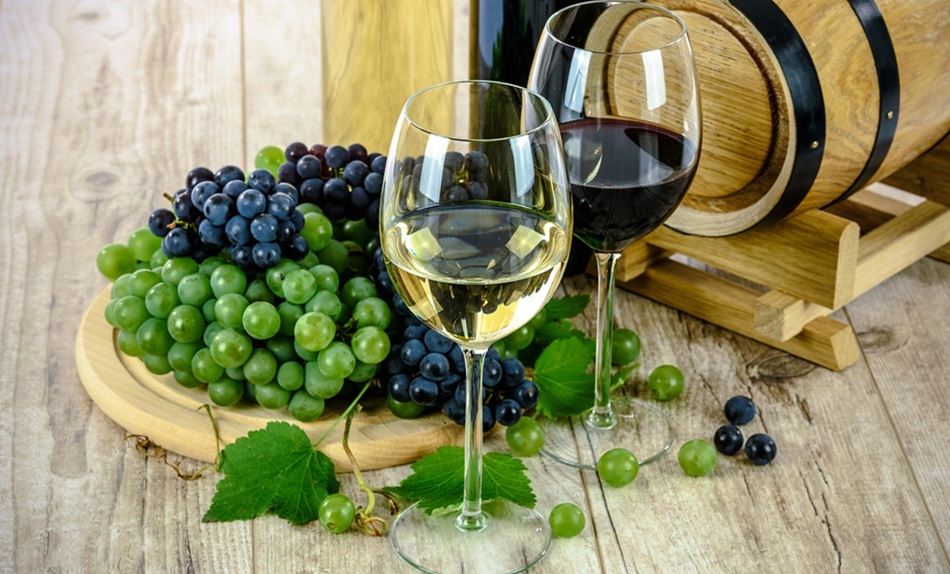
Wine tasting has a reputation issue. Somewhere along the way, it picked up this vibe of near arrogance, where people casually drop words like tertiary aromatics while you’re just trying to figure out if you even like the wine or not.
The good thing is that wine tasting isn’t about knowing everything, or even anything at all. It’s about paying attention, being curious, and letting your palate learn as you go. Like anything else in life, it’s a process. Whether you’re sipping crisp Assyrtiko in Santorini, standing in a centuries-old cellar in Burgundy, or swirling in Napa Valley, the rules are far more casual than you may expect.
The first time I went wine tasting, I felt so intimidated that I was literally Googling terms and tips on my way there. Once I got there, I felt silly for ever being so worried. I want to make sure you avoid all that anxiety, so I’ve come up with a guide to break it all down.
I’ll cover what wine tasting actually involves, how to act without overthinking it, the terms you’ll hear, and what to expect, whether you’re in Bordeaux, Willamette Valley, or Chianti. No gatekeeping or snobbery to be found.
What Wine Tasting Actually Is (and Isn’t)
When it all comes down to it, wine tasting is simply the intentional act of experiencing wine. Your senses will be turned on just a bit more than usual. That’s it.
It is not:
- A test of your wine knowledge
- A performance
- A competition
- A place where you’re judged for liking what you like
It is:
- A chance to learn and ask questions
- A way to understand how place affects flavor
- A conversation between wine, land, and you
Wine Tasting Etiquette: The Unspoken Rules
Let’s demystify the social side first, because it’s easy to get nervous about that.
1. How to Dress
There’s no universal uniform, but polished-casual is ideal. You can truly come in whatever, though.
- Comfortable shoes (vineyards often involve gravel, stairs, cobblestones, and vineyard strolls)
- Layers (cellars are often chilly)
- Avoid heavy perfume or cologne, as it interferes with aroma
Whether you’re visiting a sleek tasting room in Yarra Valley or a laid-back shed in Hunter Valley, clean, relaxed, and comfortable always works.
2. Holding the Glass
Hold it by the stem, not the bowl.
This keeps the wine at the right temperature and avoids smudging the glass. Again, it’s not a big deal, but it is good practice.
3. Swirling (Yes, You Should Try)
Swirling releases aromas. Plus, it’s fun. Start with small circles on a flat surface to help avoid spills and the glass flying out of your hand. It’ll probably be a bit awkward at first, but after the first few tries, it’ll feel more natural.
4. Smelling the Wine
Put your nose in the glass and inhale deeply. You’re not trying to identify “wet forest floor after rain”. Don’t force it. Just notice if it smells fruity, floral, spicy, earthy, or fresh. Also, don’t feel weird if that feels challenging. It took some practice for me to even identify those notes.
5. Spitting Is Normal
Most wineries provide spit buckets. Using them doesn’t make you rude – it makes you responsible. This is especially important if you’re tasting multiple wines or driving (though I strongly suggest not driving at all if wine tasting).
6. Asking Questions Is Encouraged
Good tasting hosts love curiosity. Ask:
- “What grape is this?”
- “Why does this taste so different from the last one?”
- “What food would you pair this with?”
As long as you’re paying attention to what your host is saying, they’ll love the added engagement and enthusiasm.
The Basic Wine Tasting Process (So You Know What’s Coming)
Most tastings follow a similar structure, so these tips will likely apply anywhere you go.
Step 1: Look
Hold the glass up to the light.
- White wines range from pale straw to golden
- Red wines range from ruby to deep purple. Color can hint at age and style.
Step 2: Smell
- Fruit (apple, cherry, citrus)
- Floral (rose, blossom)
- Earthy (stone, soil)
- Oak notes (vanilla, toast, spice)
If you can name just one thing you smell, you’re already doing great.
Step 3: Taste
Take a sip and let it move across your palate.
Notice:
- Sweetness (dry vs sweet)
- Acidity (mouth-watering or soft?)
- Tannins (that drying feeling from reds)
- Body (light, medium, full)
Then swallow or spit and see how long the flavor lingers.
Step 4: Reflect
Ask yourself one simple question:
“Would I want another sip?”
Ultimately, that’s all that matters, right?
Wine Tasting Terms You’ll Hear (Translated into Normal Language)
Here’s a cheat sheet so you don’t feel lost.
- Dry: Not sweet
- Acidic: Crisp, refreshing, mouth-watering
- Tannins: That drying, grippy sensation (mostly in reds)
- Body: How heavy or light the wine feels
- Finish: How long the flavor sticks around
- Balanced: Nothing feels overpowering
- Terroir: How place (soil, climate, geography) affects taste
What Wine Tasting Is Like in Different Regions
Wine tasting changes slightly depending on where you are, though the general concept remains the same.
Europe (Burgundy, Bordeaux, Chianti, Santorini)
- Often more traditional
- Focus on history, land, and food pairing
- Less sales pressure
- Wines tied closely to place and rules
In Bordeaux, expect structured tastings and discussions about blends. In Chianti, wine is inseparable from meals and culture. Santorini tastings highlight volcanic soils and crisp whites built for seafood. Again, there’s some variation here.
New World (Napa, Willamette, Yarra Valley, Swan Valley, Hunter Valley, Waiheke Island)
- More relaxed and conversational – kind of like hanging out with friends
- Hosts explain freely
- Greater stylistic experimentation
In Swan Valley, things feel casual and friendly. In Napa, they’re polished and hospitality-driven. There’s a different vibe each place you go.
How to Taste Like a Pro
Pros aren’t trying to sound impressive. Rather, they’re trying to be precise.
Focus on Comparisons
Instead of analyzing one wine in isolation, compare:
- Wine A vs Wine B
- Lighter vs richer
- Fresher vs rounder
Your palate learns faster this way.
Trust Your Preferences
If you love bright, acidic wines, you may be more drawn toward regions like Santorini, Burgundy, and the Finger Lakes. If you love bold reds, Napa, Bordeaux, and parts of Tuscany might be more attractive.
Sometimes, it feels like people think they have to like a certain wine or wine region to be considered a true “connoisseur”.
Food Changes Everything
Wine rarely exists alone in real-life settings (outside of tastings). Even if you’re just letting a load off on the couch with a movie marathon, you’re likely going to have some cheese with that wine.
Many times, your host will share what kind of food and flavors a certain wine will work well with. A wine you’re unsure about on its own may shine with the right dish!
Common Beginner Mistakes (and Why They Don’t Matter)
- Thinking you need to like expensive wine
- Feeling embarrassed about not knowing terms
- Assuming your palate is “uneducated”
- Rushing through tastings
Wine tasting rewards patience, not expertise.
How to Prepare for Your First Wine Tasting
Before you go:
- Eat something light
- Hydrate
- Wear comfortable clothes and shoes
- Bring an open mind, not expectations
Most importantly, enjoy yourself! Wine tastings are honestly a ton of fun, and it can be a great way to make friends, too!
Why Wine Tasting Is Actually About Connection
At its best, wine tasting is storytelling. There’s so much that goes into each glass of wine. Oftentimes, these are stories that have been told for tens, sometimes hundreds of years! As a bit of a history buff, this is part of the fascination for me!
- The land and climate begin the story
- The winemaker adds interpretation
- You bring your own context
Final Takeaway: Wine Tasting Is for You
You don’t need to memorize regions, master vocabulary, or pretend to like something you don’t. Wine tasting is all about slowing down, paying attention, and simply enjoying where you are, both geographically and in the moment. Each bottle offers its own testament to a certain moment in time, and you get to enjoy it! Make sure to do it to the fullest.